




📌 At a Glance: The Age of Synthetic Content and the Crisis of Authenticity
| Topic of Discussion | Ratio of Synthetic and Artificial Intelligence Production Content on the Internet |
|---|---|
| Predictions | It is predicted that 70-90% of online text and images will be synthetic by 2026 |
| Fundamental Risk | Model Collapse and Aesthetic Uniformity |
| User Response | Fatigue with Algorithmic Repetition and the Return of Value to Real Human Workmanship |
| Verification Tools | C2PA / Content Credentials Standards, Digital Watermarks |
| Future Perspective | Positioning Artificial Intelligence as a Powerful Assistant, Not a Goal |
With the explosion of generative models in recent years, social media, blogs and stock sites have been filled with algorithmic images and automated articles.So how does this affect human productivity and is the ‘Dead Internet Theory’ really true?
Introduction: Algorithmic Abundance and Aesthetic Saturation
Thanks to large language models and diffusion tools, it takes seconds to produce thousands of pages of text and hundreds of images with a single click.However, as these contents, which seem fascinating at first glance, increase in number, a strange feeling of familiarity and boredom begins to arise in the human mind [1].
1. Why Do All Artificial Intelligence Images Look Similar?
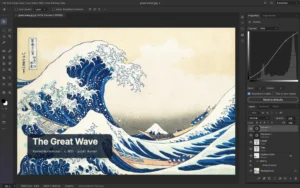
Extremely smooth skin, flawless light play and stereotypical poses, especially observed in portraits and human figures, arise from the center of gravity of the datasets on which the models are trained.After a few tries, the viewer can immediately distinguish which image is the algorithm output and looks for the flawed but soulful brush marks of a real artist [2].
2. The ‘Model Collapse’ Paradox
The biggest danger that scientists point out is that new artificial intelligence models are fed with synthetic data previously produced by artificial intelligence while collecting data from the internet.This process, called “Model Collapse”, causes models to become meaningless by magnifying their own flaws over time, and causes their language abilities to decline.
3. The Increasing Value of the Human Touch
As machine production becomes cheaper and more commonplace, human intelligence, real field experience and original artistic vision become more valuable than at any time in history.
Independent Sources and References
[1] Nature Research: AI models collapse when trained on recursively generated data
[2] Coalition for Content Provenance and Authenticity: C2PA Technical Specifications for Digital Media Provenance