 EN
 TR
 DE
 FR
 ES
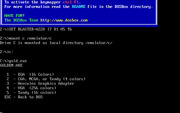


1. Historical Lineage & Archival Context
Golden Axe was originally published in 1990, standing as a benchmark release in the Beat 'em up genre. Developed by Sega / Probe Software and distributed by Virgin Games, the title reflects the golden age of microcomputer software design.
The DigiLiner preservation registry holds verified releases for: MS-DOS PC, Commodore Amiga, Commodore 64. Each release showcases distinct platform-specific engineering tailored to its target hardware limitations.
2. Gameplay Dynamics & Core Mechanics
The game delivers an immediate, uncompromised interactive experience centered on player agency and tactical mastery. Foregoing the handholding and intrusive HUD elements of contemporary software, progress hinges entirely on muscle memory, level navigation, and situational awareness.
3. Hardware Architecture & Comparative Specifications
A comparative analysis of the verified platform releases demonstrates the technological diversity of the era:
- MS-DOS PC Edition: Built on VGA 320×200, 256 colours · AdLib / Sound Blaster. Original storage media: 3.5″ floppy / ZIP archive.
- Commodore Amiga Edition: Built on OCS 320×256, 32 of 4096 colours · Paula, 4-channel 8-bit. Original storage media: 3.5″ floppy (ADF image).
- Commodore 64 Edition: Built on VIC-II 320×200, 16 colours · SID 6581, 3 channels. Original storage media: 5.25″ floppy (D64 image).
4. Digital Preservation Status
In strict accordance with preservation guidelines, DigiLiner hosts no proprietary disk images (.adf, .d64, .zip). This title is cataloged alongside verified research entries in public institutions including the Internet Archive Software Library, MobyGames, and platform-specific preservation centers.