 EN
 TR
 DE
 FR
 ES
📌 At a Glance: Four Seasons Artistic Concept Series
| Concept | Four Seasons (Spring, Summer, Autumn, Winter) |
|---|---|
| Toolset | Krita 5.2+ & Acly Generative Diffusion Plugin |
| Color Palettes | Pastel Greens → Vibrant Yellows → Copper/Red → Cool Blue/White |
| Style Approach | Traditional Oil Painting &Digital Illustration Fusion |
| Layer Structure | Seasonal Transformation within the Same Composition Framework |
| Aim | Exploring Atmospheric Lighting and Color Changes |
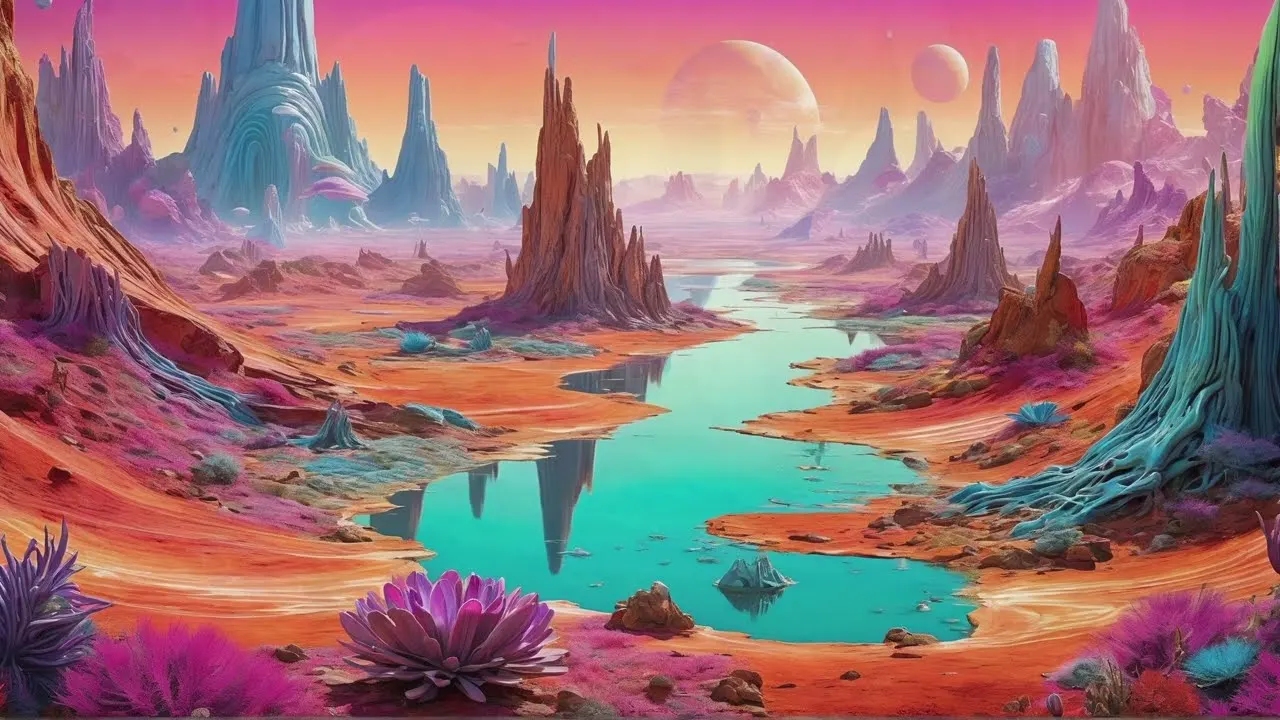
This work, which shows how the same space and composition undergoes radical atmospheric transformations under four different seasonal conditions, demonstrates the artistic color control capabilities of Krita’s open source artificial intelligence plug-in.
Introduction: Artistic Expression of Seasonal Change
As in the history of art with Claude Monet’s hay bales and cathedral series, examining the same subject under changing seasons and light conditions is a fundamental exercise in artists’ understanding of color theory.In the digital environment, this approach is enriched with the style control mechanisms of diffusion models [1].
1. Color and Light Characteristics of the Four Seasons
- Spring: Freshly budding light greens, pink cherry blossoms and soft morning mist.Low contrast and feeling of damp air.
- Summer: Sun at its peak, harsh shadows, saturated (vibrant) greens and warm golden light filters.
- Autumn: Burnt orange, rust red and amber yellow leaf textures.Lengthening afternoon shadows and nostalgic warm atmosphere.
- Winter: Blue-tinged ice shadows, pure white snow cover, bare branch silhouettes and crystallized cold air texture [2].
2. Changing Seasons on Consistent Composition in Krita
In Krita, when the same main drawing layer is kept locked and only the seasonal markers and denoise values on the prompt are adjusted, the positions of the objects remain constant and only their seasonal attributes change.This technique provides unparalleled speed for game developers and concept artists.
Independent Sources and References
[1] Art History & Color Theory: Claude Monet and the Series Paintings – The Metropolitan Museum of Art
[2] Digital Lighting and Rendering Principles: Jeremy Birn: Digital Lighting & Color Palette Fundamentals